

PLUMBING FIXTURES
TAPWARE: NON-LIVING FINISHES
stainless, nickel, oil-rubbed bronze
Use a non-abrasive cleaner specifically designed for the type of fixture material (e.g., chrome, stainless steel, or brass) and a soft cloth to gently clean the surfaces. Gently wipe surfaces and rinse clean. To prevent water spots, dry with a clean cloth.
To preserve the luster of your faucet, occasionally apply a high quality non-abrasive wax, such as Flitz Faucet Wax +.
To remove hard water stains from your fixtures:
Soak a paper towel with vinegar.
Drape the paper towel over your sink faucet.
Let the paper towel sit for 15 minutes.
When the time is up, scrub the faucet down and rinse with clean water.
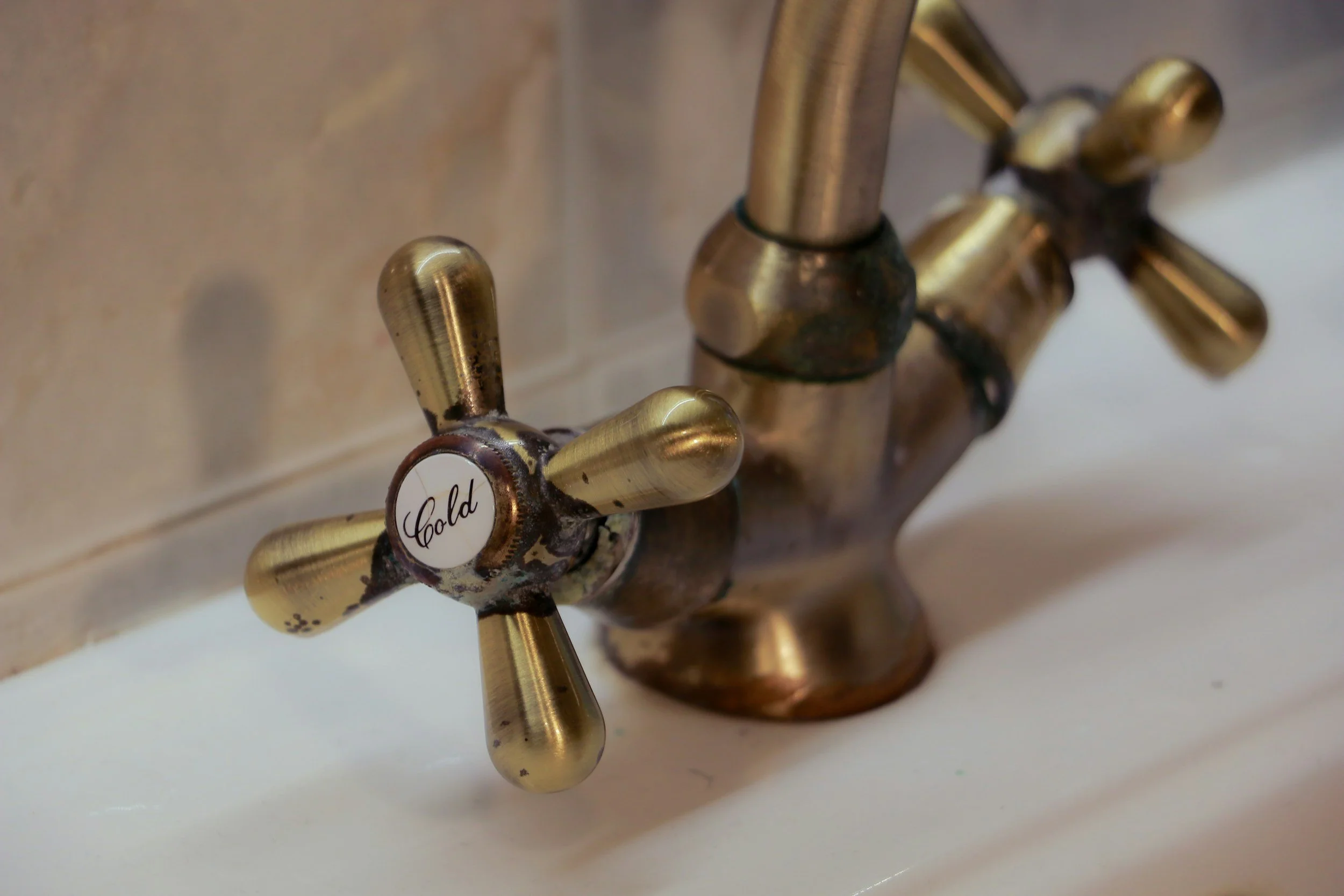
TAPWARE: LIVING FINISHES (unlacquered brass)
Do not use cleaners that contain abrasives, harsh chemicals, alcohol, or other organic solvents. Avoid using any cleansers or pads/sponges that are unsafe for polished metallic surfaces. Most green, fibrous pads/sponges contain microscopic mineral particles that can scratch a faucet's finish. Immediately after cleaning your faucet, wash off remaining cleaner with water. To remove water spots, use warm water and a soft, damp cloth.
Hard water stains can be removed with a 50/50 solution of white vinegar and water, followed by rinsing with water.
To preserve the luster of your faucet, occasionally apply a high quality non-abrasive wax, such as Flitz Faucet Wax +.
If you have a clogged showerhead, soak your showerhead in a 50/50 solution of white vinegar and water for one hour. White vinegar will facilitate the break down of mineral deposits and sediment build-up.
SINKS:
CERAMIC & FIRECLAY
Daily cleaning: wipe down your sink with a dish detergent and a soft sponge.
For harder to clean stains on ceramic/fireclay sinks, use an equal-parts water and bleach solution or non-abrasive cleaner. Rinse your sink thoroughly after cleaning and dry with a soft dry cloth to restore its original shine.
Do not use harsh abrasives or caustic cleaners containing ammonia or alkalis.
Do not use scouring pads, steel wool or abrasive powders.
SINKS:
SILGRANIT
Silgranit has a non-porous, smooth stone surface that repels water and liquids, making it stain resistant and easy to clean.
Daily cleaning: wipe down your sink with a dish detergent and a soft sponge.
Most stains can be easily removed by cleaning with baking soda.
For a deeper, weekly cleaning use BLANCOCLEAN Daily+ to reduce limescale.
Do not use strong abrasive cleaners, metal scrub pads or steel wool. These will scratch and dull the surface of the sink. Magic erasers should not be used on dark colored sinks.
SINKS:
CERAMIC & FIRECLAY
Daily cleaning: wipe down your sink with a dish detergent and a soft sponge. Dry by wiping in the direction of the brushed finish with a microfiber cloth.
Most stains and limescale can be easily removed by cleaning with baking soda.
Do not use use aggressive cleaning agents such as strong abrasive cleansers that contain chlorine (sodium hypochlorite) or hydrochloric acid.
Do not use bleach on stainless steel, as it can stain.
Do not use use cleaning baths for silver.
Do not use use steel wool, metal scrub pads, prickly brushes or the rough side of sponges—these will scratch and dull the surface of the sink.